
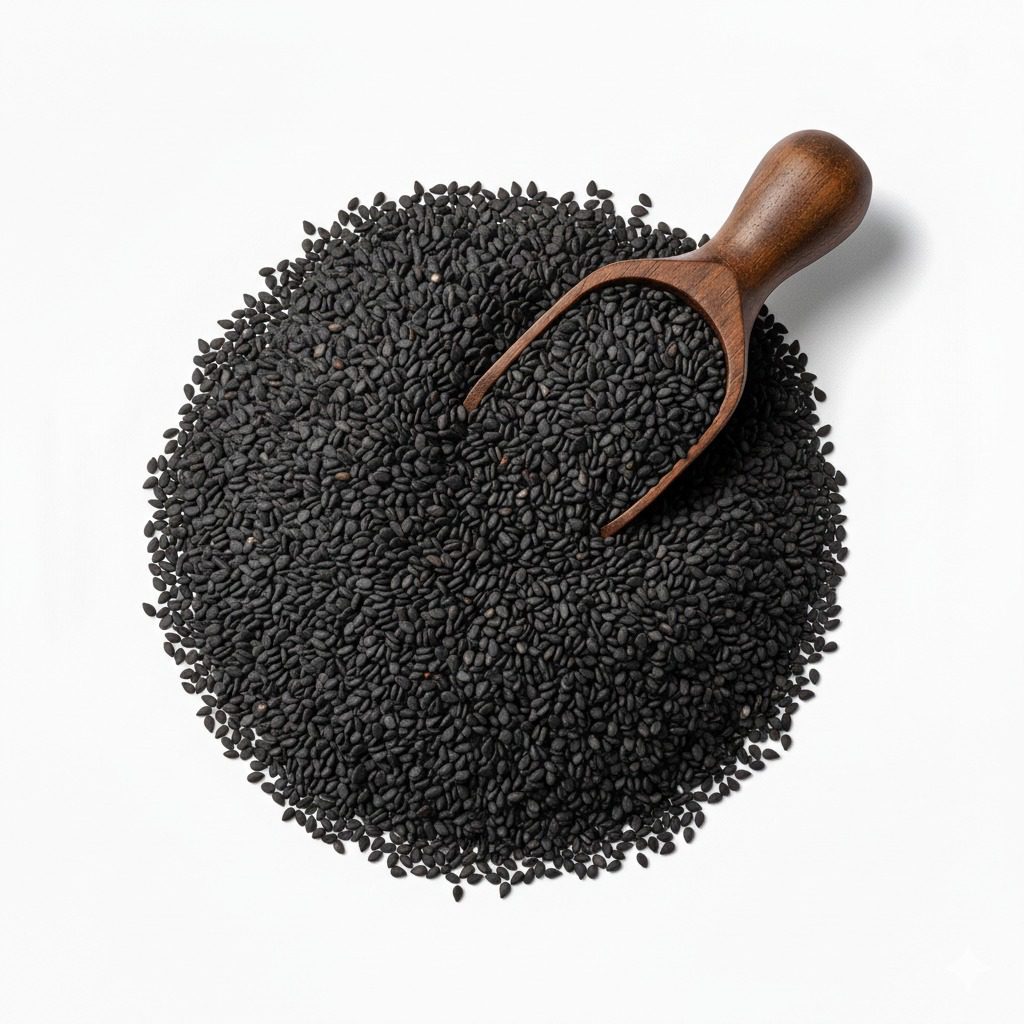
Sesame Seeds Black (Till)
$ 0.71
Description Black sesame seeds are small, flat, oily seeds that grow in the fruit pods of the Sesamum indicum plant, which has been cultivated for thousands of years. Sesame seeds grow in a variety of colors, including shades of black, brown, tan, gray, gold, and white. Black sesame seeds are primarily produced in Asia, although they’re quickly gaining popularity around the world. This rise in popularity could be due to the belief that black sesame seeds are better for your health, but you may wonder whether this claim is true Black sesame seed nutrition Black sesame seeds are rich in a number of nutrients. Just 2 tablespoons (14 grams) of black sesame seeds contain: Calories: 100 Protein: 3 grams Fat: 9 grams Carbs: 4 grams Fiber: 2 grams Calcium: 18% of the Daily Value (DV) Magnesium: 16% of the DV Phosphorus: 11% of the DV Copper: 83% of the DV Manganese: 22% of the DV Iron: 15% of the DV Zinc: 9% of the DV Saturated Fat: 1 gram Monounsaturated Fat: 3 grams Polyunsaturated Fat: 4 grams Black sesame seeds are an especially rich source of macrominerals and trace minerals. Your body requires trace minerals only in small amounts, while macrominerals are required in larger quantities. A higher intake of macrominerals like calcium and magnesium is associated with improved heart disease risk factors, particularly high blood pressure Some of the trace minerals in black sesame seeds — in particular iron, copper, and manganese — are important for regulating your metabolism, cell functioning, and immune system, as well as the circulation of oxygen throughout your body, among other activities Because more than half of a sesame seed is composed of oil, sesame seeds are also a good source of healthy monounsaturated and polyunsaturated fats . The most recent scientific evidence suggests that replacing foods high in saturated fats with foods high in unsaturated fats may lower your risk of heart disease
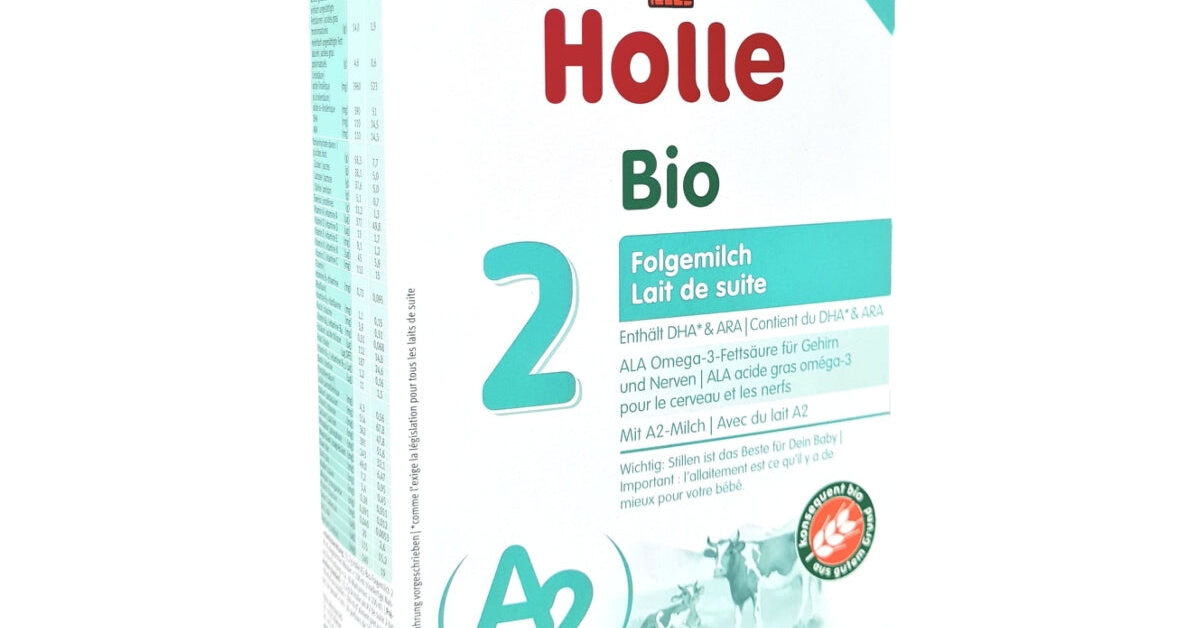 Holle Organic Infant Follow-on Formula 2 with A2 milk 400 g
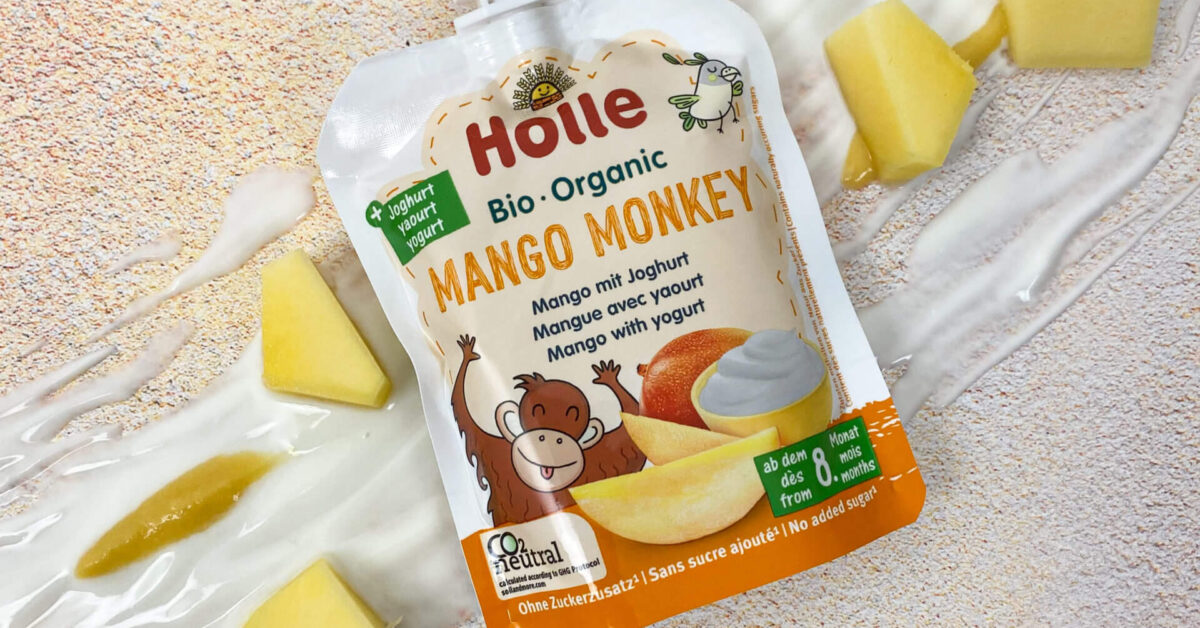 Holle Mango Monkey – Mango with yogurt Pouch
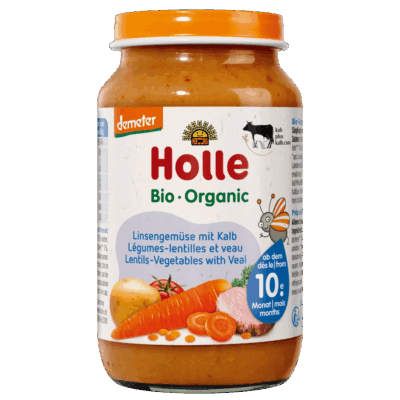 Holle Lentils-Vegetables with Veal Puree 220 g
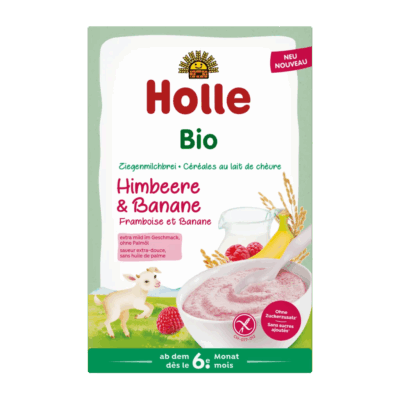 Holle Organic Goat Milk Cereal with Raspberry and Banana 250 g